
Vitulka’s Brief Artistic Life
The Glass RoomThis flow follows the promise and loss represented by Vítězslava Kaprálová and the way her story threads through the novel’s cultural community.
increasing Bearing strength in each event
 decreasing
Bearing strength in each eventdecreasingA Young Composer Appears
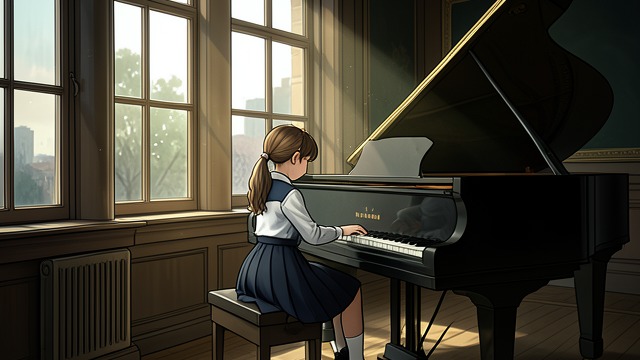
Talent in a Young Country
The prodigy
Vítězslava Kaprálová attends the housewarming as a fifteen-year-old student already studying composition. Her presence represents the energy and talent that guests associate with the young republic.
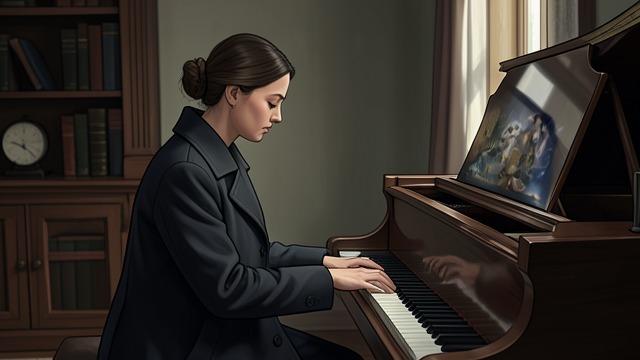
She performs Ravel’s “Ondine” in the Glass Room, a piece that seems made for its fluid light and reflective surfaces.
A generation’s promise
Her music briefly makes the house feel like a setting for a future that is still open. Adults recognize her as a symbol of national cultural possibility.
Music and Public Recognition
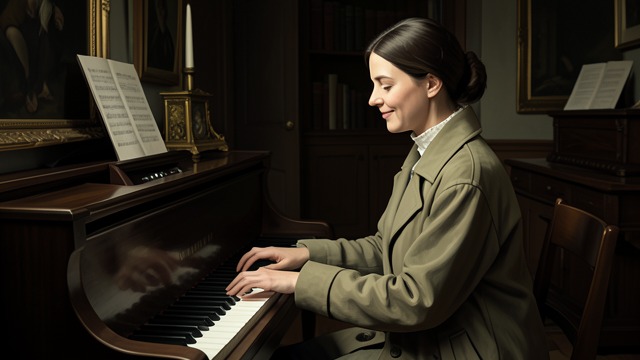
A Career in Motion
New opportunities
Vitulka studies composition and gains attention for her musical gifts. Hana follows her career closely and turns each development into part of the social world’s ongoing conversation.
Her success gives the country’s artistic life an international horizon.
The personal and public
Vitulka’s reported relationships with Bohuslav Martinů and others mix with admiration for her work. The gossip does not erase the importance of her talent, but it shows how women’s artistic careers are watched through personal lives.
A Journey Toward Paris
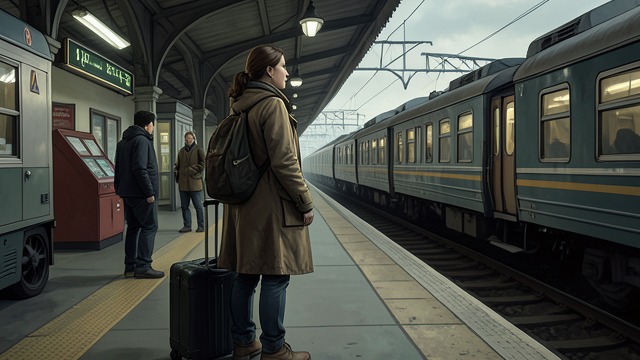
Art Seeks an Exit
A scholarship and opportunity
Vitulka seeks to renew her scholarship and continue her work in Paris. Her ambitions are shaped by a European cultural life increasingly threatened by political upheaval.
The move represents both artistic aspiration and a search for a place to continue working.
The narrowing horizon
War makes travel and creative life precarious. The same international world that once seemed full of opportunity becomes a landscape of borders, illness, and flight.
Death in Montpellier
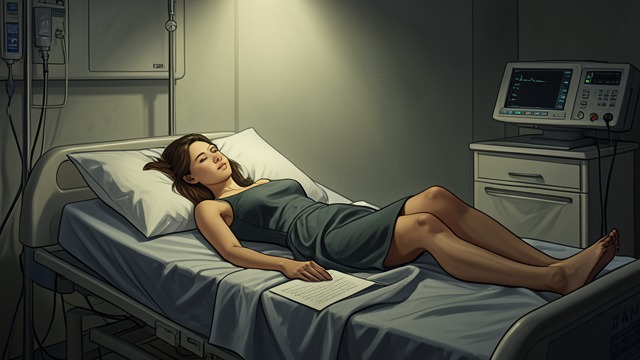
A Short Life Ends
Illness and escape
Vitulka becomes ill as the German advance approaches Paris. Her husband takes her south, but she dies in a hospital in Montpellier shortly after the city’s fall.
The cause remains uncertain, and the news reaches her friends as a fragment of painful hearsay.
A loss of the future
Her death makes the novel’s language of cultural promise feel fragile. A gifted young composer is lost at an age when her career should still be beginning.
Music as a Thread Home
Art Preserves Connection
Remembered performance
Liesel recalls Vitulka playing “Ondine” at the housewarming. The piece links a later journey through France to the lost world of the Glass Room.
Music becomes one of the few ways a particular moment survives exile.
A fragile continuity
Vitulka’s story connects artists, friends, and places across time, but the music cannot restore the people who have died or the country that has disappeared.
At the Landauer housewarming
During the years before the war
As political danger spreads across Europe
During the fall of Paris in 1940
During Liesel’s exile
